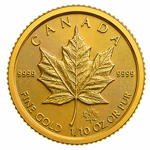
Calgary Gold Buyers often meets customers who are puzzled by troy ounce vs gram when they weigh their gold. One scale shows grams, a news headline quotes troy ounces, and a coin label says "1 oz". These units are not interchangeable, and mixing them up leads to wrong expectations. This guide explains how each unit works, how to convert between them, and how to weigh your own pieces accurately.
Troy Ounce vs Gram: The Basic Difference
A gram is a metric unit, and Canada uses it for almost everything in daily life. A troy ounce is an older unit that the precious metals trade still uses worldwide. Gold, silver, platinum, and palladium are all quoted per troy ounce in international markets.
The key fact is that a troy ounce is heavier than the ounce on your kitchen scale. One troy ounce equals about 31.1 grams. The everyday avoirdupois ounce is about 28.35 grams. That gap is around 10 percent, and it catches many people out.
For that reason, you should always ask which ounce a number refers to. In the precious metals trade, "ounce" almost always means troy ounce. Once you understand troy ounce vs gram, most of the confusing labels on coins and scales start to make sense.
Quick Conversion Reference
You do not need to memorize every figure. A short reference covers most situations you will meet when you sort coins, bars, and jewellery.
| Unit | Equals in grams | Where you see it |
|---|---|---|
| 1 gram | 1 g | Jewellery scales, chain tags |
| 1 pennyweight (dwt) | About 1.555 g | Older jewellery trade records |
| 1 troy ounce | About 31.103 g | Coins, bars, market quotes |
| 1 ounce (everyday) | About 28.35 g | Kitchen and postal scales |
| 1 kilogram | 1,000 g, or about 32.15 troy oz | Large bullion bars |
The troy ounce vs gram conversion is simple once you have the factor. To convert grams to troy ounces, divide the grams by 31.103. To go the other way, multiply troy ounces by 31.103. The same rule applies to silver, since the unit does not change with the metal.
For a deeper look at how measurement standards work, the NIST unit conversion page explains the relationship between metric and customary units.
Why the Troy Ounce vs Gram Question Matters When You Sell
Most coins and bars carry their weight in troy ounces. A one-ounce Canadian Maple Leaf contains one troy ounce of gold, which is about 31.1 grams. Jewellery usually comes the other way around. A chain tag or a home scale shows grams.
When you hold both kinds of items, you need to keep the two systems apart. A common mistake is to add the weight of a coin in troy ounces to the weight of a chain in grams as if the numbers matched. The result is meaningless.
Another trap is gross weight versus gold content. A 10-gram piece of 14K jewellery does not hold 10 grams of pure gold. It holds roughly 5.8 grams, because 14K is about 58.3 percent gold. The rest is alloy.
Gross Weight, Net Weight, and Pure Gold Content
Three terms appear whenever people discuss weight. Knowing them helps you read any assessment sheet.
- Gross weight: the full weight of the item, including stones, clasps, and any non-gold parts.
- Net weight: the weight of the metal after stones or other parts are removed or subtracted.
- Pure gold content: the net weight multiplied by the purity fraction, such as 0.585 for 14K.
Here is a simple worked example. A 20-gram 18K chain has a purity fraction of 0.75. Multiply 20 by 0.75 and you get 15 grams of pure gold. In troy ounces, that is about 0.48.
This arithmetic is why two items of the same gross weight can hold very different amounts of gold. Purity matters as much as the number on the scale. If you are unsure of the karat, our shop can test it for you before any figures are worked out.
How to Weigh Your Gold at Home
A home scale gives a useful rough figure, though it will not match a certified shop scale. Good habits improve the result.
1. Use a digital scale that reads to at least 0.1 gram.
2. Place the scale on a flat, stable surface away from drafts.
3. Press the tare button with the empty tray in place.
4. Weigh each item separately and write the figure down.
5. Record the unit on the scale, since many scales toggle between grams and ounces.
Check the unit setting before you trust any reading, and avoid weighing items in a moving car or on a wobbly table. Many basic kitchen scales switch between grams, ounces, and pounds, and an accidental press changes the display. If a result looks odd, switch the unit and weigh again.
Common Weight Mistakes to Avoid
Small errors in weighing and converting add up quickly. These are the mistakes we see most often when people compare troy ounce vs gram figures on their own.
Mixing up the two ounces
Dividing grams by 28.35 instead of 31.103 inflates the troy ounce figure by about 10 percent. That makes a piece look heavier in troy terms than it really is.
Forgetting the stones
A ring with a large stone weighs more than its metal. If you weigh the whole ring and call it all gold, your figure will be too high.
Ignoring the alloy
Gross weight is not gold weight. Always apply the purity fraction before you draw conclusions about a piece.
Rounding too early
Rounding each figure before you add them up lets small errors stack. Keep the decimals until the final step.
What Happens at the Shop
When you bring items to us, we weigh them on a calibrated scale in front of you. You see the reading, and you can ask us to explain it. We test purity, then work out the pure gold content for each item. You can follow each step on the screen, and we are happy to repeat any figure.
You will not hear a quote before the assessment is complete. The weight and purity come first, and then we explain the offer. If you want to understand the verification step in more detail, our article on how buyers verify purity when selling gold bars covers it well.
If you hold coins or bars and want to learn more, see our page about selling gold bullion in Calgary. It explains what we accept and how we handle each item.
Frequently Asked Questions
Is a troy ounce the same as a regular ounce?
No. A troy ounce is about 31.1 grams, while an everyday ounce is about 28.35 grams. Precious metals use the troy ounce.
How many grams are in a half-ounce gold coin?
A half troy ounce is about 15.55 grams. The same rule works for quarter-ounce coins, which hold about 7.78 grams.
Why do some scales show pennyweights?
Pennyweights are an old jewellery trade unit. One pennyweight is about 1.555 grams, and there are 20 of them in a troy ounce.
Does my kitchen scale give an accurate gold weight?
It gives a rough guide. A kitchen scale may not read small weights precisely, so the figure we record on a calibrated scale is the one that counts.
Visit Calgary Gold Buyers
We weigh and assess gold and silver at two Calgary locations.
- Phone: (403) 630-4653
- SW location: 5940 Macleod Trail SW, Suite 500, Calgary, AB T2H 2G4
- NW location: 1026 16th Ave NW, Suite 203, Calgary, AB T2M 0K6
- Hours: Monday to Saturday, 9:30 am to 5:00 pm. Sunday by appointment only.
Questions before you come? Use our contact page.